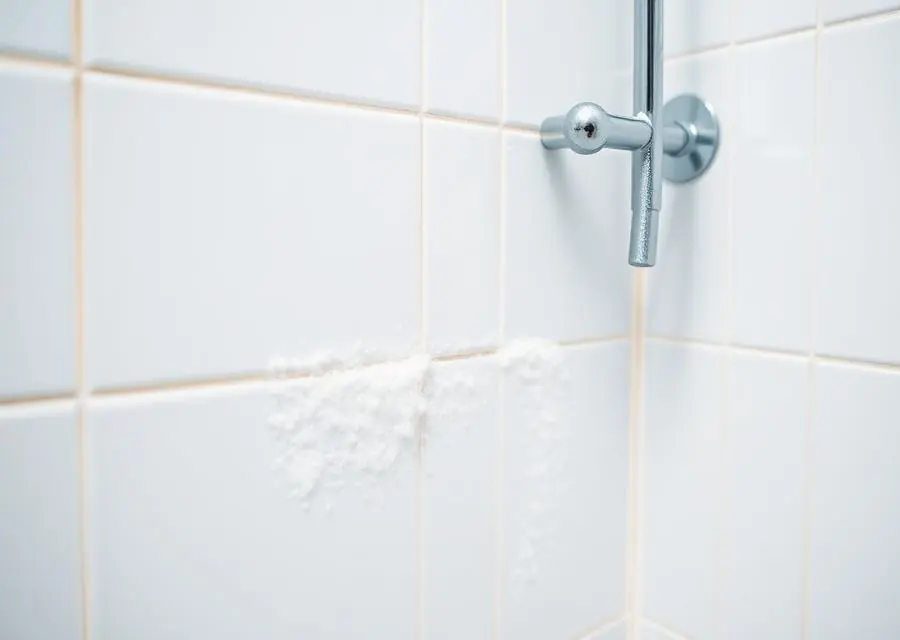
Cleanliness is the single most-mentioned factor in short-term rental reviews, and it is the one category where guests are least forgiving. A property can have a great location, fair pricing and beautiful photos, and one hair in a shower drain will still cost a host their five-star average. Turnover cleaning is therefore not housekeeping — it is quality control on a deadline.
This guide describes how professional turnover teams actually operate for hosts across San Jose, San Francisco and the wider Bay Area: the timeline, the linen system, the restock, the inspection, and the reporting that keeps a listing at the top of search results.
The turnover window is the whole problem
Most listings check out at 10 or 11 a.m. and check in at 3 or 4 p.m. That leaves a four to five hour window that must absorb cleaning, laundry, restocking, damage inspection and any maintenance issue discovered along the way. Miss it and a guest is standing outside with luggage.
Professional teams solve this with parallelism rather than speed. Laundry starts first so machine time runs in the background, one cleaner takes bathrooms and the kitchen while another takes bedrooms and living areas, and restocking happens from a pre-packed kit rather than a shopping trip. Nothing is rushed; the sequence just removes dead time.
Linen par levels: the highest-leverage upgrade a host can make
The most common cause of late turnovers is waiting on laundry. The fix is inventory. Keeping three full sets of sheets and towels per bed and bath — one in use, one clean and ready, one in the wash — decouples cleaning from laundry entirely and makes same-day turnarounds reliable even when a dryer underperforms.
Standardize on white, commercial-grade linens. White can be bleached and sanitized to a consistent standard, mismatched sets photograph badly, and colored linens fade unevenly, which guests read as "old." Retire any item with a permanent stain immediately; a stained pillowcase in a photo review is far more expensive than a replacement.
- 3 sets of sheets per bed, 3 sets of towels per bathroom
- White commercial linens only, replaced on visible wear
- Mattress and pillow protectors on everything, washed monthly
The room-by-room turnover standard
A turnover clean is more prescriptive than a residential clean because every unit must look identical to its listing photos every single time. Consistency, not creativity, is the goal.
- Bathrooms: full disinfection, drains cleared of hair, glass descaled, fresh towels folded to a set pattern, amenities replenished and aligned
- Kitchen: appliance interiors checked, fridge emptied and wiped, dishwasher run and unloaded, all dishware verified clean and inventory counted
- Bedrooms: linens stripped and replaced, under beds checked for belongings, closets and drawers cleared, surfaces dusted
- Living areas: cushions vacuumed and straightened, remotes located and disinfected, cables tidied, decor returned to photo positions
- Whole unit: floors vacuumed and mopped, trash removed and bins relined, HVAC filter checked, entry and lockbox wiped
Restocking: consumables are part of the review
Running out of toilet paper mid-stay generates a complaint no amount of cleaning will offset. Every turnover should restock to a fixed par: toilet paper, paper towels, dish soap, dishwasher pods, hand soap, shampoo and conditioner, trash liners, coffee, and any welcome items the listing promises.
Track consumption per turnover so restocking becomes predictable rather than reactive. Hosts who standardize supplies across multiple units cut costs meaningfully and remove the guesswork that leads to missing items on a busy weekend.
Damage inspection and reporting
The turnover team is the only set of eyes in the property between guests, which makes them the host's inspection layer. Chips, stains, broken items, missing inventory, burnt-out bulbs, leaks and appliance faults must be documented the moment they are found — with photos and a timestamp — because damage claims depend on evidence tied to a specific stay.
A good turnover service sends a completion report after every clean: photos of each finished room, a note on consumables replaced, and any issue flagged. For remote hosts, that report is the difference between managing a property and hoping about one.
Deep cleans and seasonal resets
Turnovers maintain; they do not restore. Every four to eight weeks, depending on booking density, a short-term rental needs a deep clean: inside oven and fridge, range hood degreasing, baseboards, vents, window tracks, upholstery and mattress treatment, and grout work.
Schedule these into natural gaps in the calendar rather than waiting for a complaint. Hosts who block a half-day every other month for a reset almost never see cleanliness scores slide, and their linens and furnishings last considerably longer.
What guests actually photograph
Guest reviews cluster around a predictable set of details, and they are rarely the big surfaces. Hair in a drain or on a bathroom floor, dust on nightstands and headboards, fingerprints on stainless appliances and glass doors, crumbs in kitchen drawers, stains on white bedding, and smells — old trash, damp towels, previous cooking.
Odor deserves special attention because it is invisible in photos and dominant in person. Bins emptied and relined every turnover, drains flushed, garbage disposal cleaned, and ventilation run during service prevent nearly all of it. Avoid heavy fragrance masking; guests read it as concealment.
Building a reliable turnover partnership
The best results come from a fixed team that knows the property, a written checklist specific to the unit, calendar integration so cleans are scheduled automatically from bookings, and backup coverage for illness or same-day emergencies. Ad-hoc cleaners hired per turnover cannot deliver consistency, and consistency is the entire product.
We handle short-term rental turnovers across San Jose, the Peninsula, San Francisco and the East Bay with photo verification, restocking to your par list, and damage reporting after every clean. Send your calendar and unit details and we will build a per-turnover scope and flat rate.
Frequently asked
Quick answers
How long does an Airbnb turnover take?
A one-bedroom typically takes 1.5 to 2.5 hours with a two-person team; larger homes take 3 to 5 hours. Laundry is the usual bottleneck, which is why linen par levels matter.
Should hosts charge guests a cleaning fee?
Most do, set at or slightly below actual cost. Excessive fees suppress bookings and generate negative reviews, so keeping the fee close to real cost usually performs best.
How often does a short-term rental need a deep clean?
Every four to eight weeks depending on occupancy, plus a full seasonal reset covering upholstery, mattresses, grout and appliance interiors.