"Deep clean" is the most abused phrase in the cleaning industry. Some companies use it to mean a genuinely different service with a longer task list and more labor hours; others use it as a marketing word attached to the same visit at a higher price. Understanding the real difference protects your budget and sets expectations that both you and your cleaning team can meet.
The short version: a standard clean maintains a home that is already in good condition, and a deep clean restores a home to that condition. Everything else follows from that single distinction — the checklist, the hours, the price and how often you need it.
The core distinction: maintenance versus restoration
A standard or recurring clean works at the level of surfaces you touch and see every day: countertops, sinks, toilets, mirrors, floors, exterior appliance faces, dusting of reachable horizontal surfaces, and trash. It is designed to be repeatable on a weekly or biweekly rhythm and to take a predictable amount of time.
A deep clean works at the level of accumulation — the things that build up slowly and never get addressed in a normal visit. Soap scum in grout, mineral scale on shower glass, grease film on cabinet fronts and range hoods, dust on baseboards and door frames, buildup behind and under appliances, vents, light fixtures and window tracks. It is slow, detailed, and it is the reason a first visit costs more.
Kitchen: what changes between the two
In a standard clean the kitchen means counters wiped and disinfected, sink scrubbed and polished, exterior of the fridge, oven, dishwasher and microwave wiped, stovetop degreased, backsplash spot-cleaned, and floors vacuumed and mopped. It is thorough, but it stays on the visible plane.
In a deep clean the kitchen adds the interior of the microwave and oven, degreasing of the range hood and filter, cabinet fronts washed top to bottom rather than spot-cleaned, the space above cabinets, small appliance exteriors, the sink drain and disposal, baseboards, and pulling out the range where safely possible. Kitchens routinely account for a third of the labor hours on a deep clean for exactly this reason.
- Standard: surfaces, sink, floors, appliance exteriors
- Deep: appliance interiors, hood degreasing, cabinet fronts, above-cabinet dust, baseboards
Bathrooms: where deep cleaning earns its price
Bathrooms are the clearest illustration of the difference. A standard clean disinfects the toilet, cleans the sink and counter, wipes the shower or tub, polishes the mirror and mops the floor. Done every two weeks, that is genuinely enough to keep a bathroom hygienic.
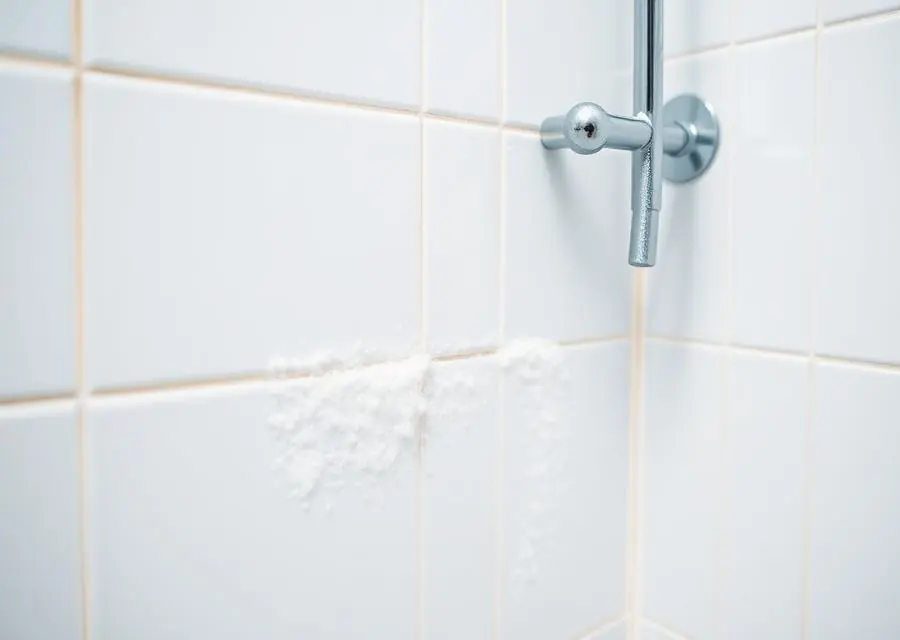
A deep clean attacks what time has left behind: grout scrubbed line by line, hard-water and mineral scale removed from glass and chrome, shower door tracks cleared, exhaust fan covers cleaned, behind and around the toilet base, tile walls washed rather than wiped, and cabinet interiors if requested. In Bay Area homes with hard water, this is the single most visible before-and-after in the entire house.
Bedrooms, living areas and the details nobody notices until they are done
Standard service in living spaces means dusting reachable surfaces, tidying, vacuuming including under easily moved furniture, mopping hard floors and glass or mirror touch-ups. It keeps the room presentable and dust levels low.
Deep service extends to baseboards and crown moulding, door frames and doors, light switches and outlet plates, ceiling fans and light fixtures, air vent covers, window sills and tracks, under and behind furniture that can be safely moved, upholstery vacuuming including under cushions, and blinds. These are the details guests never consciously notice but always feel.
Time and crew size: the honest numbers
For a typical 2,000 square foot, three-bedroom, two-bathroom home, a standard recurring clean takes roughly three to four labor hours — often a two-person team for about ninety minutes to two hours. The same home receiving a first deep clean usually takes six to ten labor hours, and homes that have never had professional service can run higher.
If a company quotes a deep clean and schedules the same time slot as a standard clean, that is a red flag. There is no technique that removes years of grout staining and range-hood grease in ninety minutes. Realistic scheduling is one of the clearest signals of a competent operator.
How often each service is actually needed
Most households need a deep clean once, at the start of service, and then again roughly once a year — often in spring, before hosting season, or ahead of an event. Homes with pets, allergies, heavy cooking, small children or high occupancy benefit from a deep clean every six months.
Standard cleans then run weekly, biweekly or monthly. Weekly suits families, pet owners and busy professional households. Biweekly is the most popular cadence in the Bay Area and the best value for most homes. Monthly works for smaller households, but expect each visit to include a little more detail work because more accumulates between visits.
- Deep clean: at onboarding, then every 6–12 months
- Weekly: families, pets, allergy sensitivity, high traffic
- Biweekly: the best-value default for most homes
- Monthly: couples, small units, low-traffic homes
Special cases: move-outs, allergies and post-illness
A move-out clean is a deep clean plus empty-property detail: inside all cabinets and drawers, closet shelving, inside the fridge and oven, wall spot-cleaning, and all floors edge to edge with no furniture in the way. Landlords and property managers frequently require this level for deposit return, and a standard clean will not pass a rental inspection.
For allergy sensitivity, deep cleaning matters more than frequency, because allergens live in the places standard cleaning skips: vents, upholstery seams, baseboard edges and under furniture. Post-illness situations call for disinfection as a separate step after cleaning — surfaces must be physically clean before a disinfectant can work, and the product needs its full dwell time on the surface to be effective.
Choosing correctly the first time
If your home has been professionally cleaned within the last month and simply needs upkeep, book a standard clean. If it has been longer than three months, if you are moving in or out, if you can see buildup on grout, glass or vents, or if you are starting service with a new company, book the deep clean. Paying once for the reset almost always costs less than three underscoped visits that never quite catch up.
When you request a quote from us, describe the home honestly — condition, pets, last clean, problem areas. We would rather recommend the smaller service and be right than sell the bigger one and be resented for it. That is what a written scope and a one-hour reply are for.
Frequently asked
Quick answers
How long does a deep clean take?
Six to ten labor hours for a typical 2,000 sq ft home, compared with three to four for a standard clean. Larger or heavily soiled homes take longer.
Do I need a deep clean before recurring service?
Almost always, unless the home was professionally cleaned within the last month. The deep clean resets the baseline so maintenance visits stay efficient and affordable.
Is deep cleaning the same as move-out cleaning?
No. Move-out cleaning is a deep clean plus empty-property work: inside all cabinets, closets, appliance interiors and full-floor coverage with no furniture present.