Move-out cleaning is the highest-stakes cleaning most people ever pay for. A few hundred dollars of professional work regularly protects one to three thousand dollars of security deposit, and the difference between passing and failing an inspection usually comes down to eight or nine specific items rather than general tidiness.
This guide covers what California law actually says about cleaning deductions, the full room-by-room checklist property managers use, and the mistakes that cost renters money every single month across San Jose and the Bay Area.
What California law says about cleaning deductions
Under California Civil Code section 1950.5, a landlord may deduct from a security deposit for cleaning the unit to return it to the same level of cleanliness it had at the beginning of the tenancy — no better. They may not charge you to upgrade the property or to remedy ordinary wear and tear. Faded paint, minor carpet flattening in walkways and small nail holes are generally wear and tear. Grease-caked ovens, stained grout and pet odor are not.
You are entitled to request an initial inspection before you move out, and the landlord must give you an itemized statement of what they intend to deduct so you have a chance to fix it yourself. Use that right. It converts a surprise deduction into a to-do list, and a professional move-out clean is almost always cheaper than the landlord's contracted rate.
Sequence matters: clean in the right order
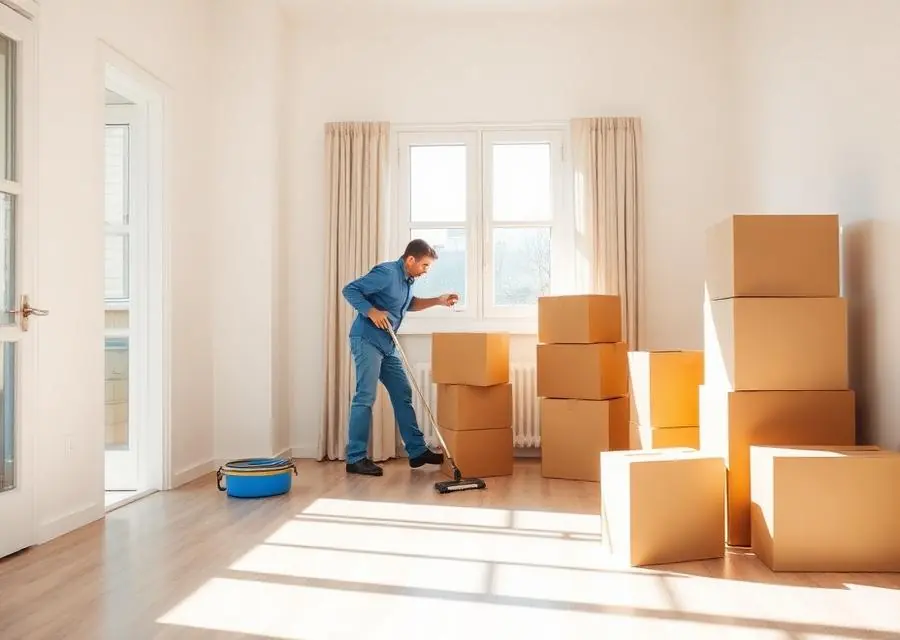
Move-out cleaning should happen after the property is completely empty and after any patching or paint touch-ups. Cleaning a partially furnished unit guarantees a second pass, and painting after cleaning drops dust and spatter onto finished surfaces.
Within the unit, work top to bottom and back to front: ceilings and fixtures, then walls and cabinets, then counters and appliances, then baseboards, then floors, finishing at the front door. Bathrooms and the kitchen consume most of the time, so start them early while attention is highest.
Kitchen checklist
The kitchen is where deposits are won and lost. Inspectors open the oven, pull out the fridge, and open every cabinet and drawer. Anything left behind — a crumb tray, a rubber band, a sticky ring on a shelf liner — reads as an incomplete clean.
- Oven interior, racks, door glass and broiler pan degreased
- Refrigerator emptied, interior and shelving washed, seals cleaned, unit pulled out and floor beneath cleaned
- Range hood, filter and backsplash degreased
- All cabinet and drawer interiors vacuumed then wiped, shelf liners removed
- Dishwasher interior, filter and door edge cleaned
- Sink, faucet, disposal and drain descaled and polished
- Countertops, backsplash and light fixtures cleaned
Bathroom checklist
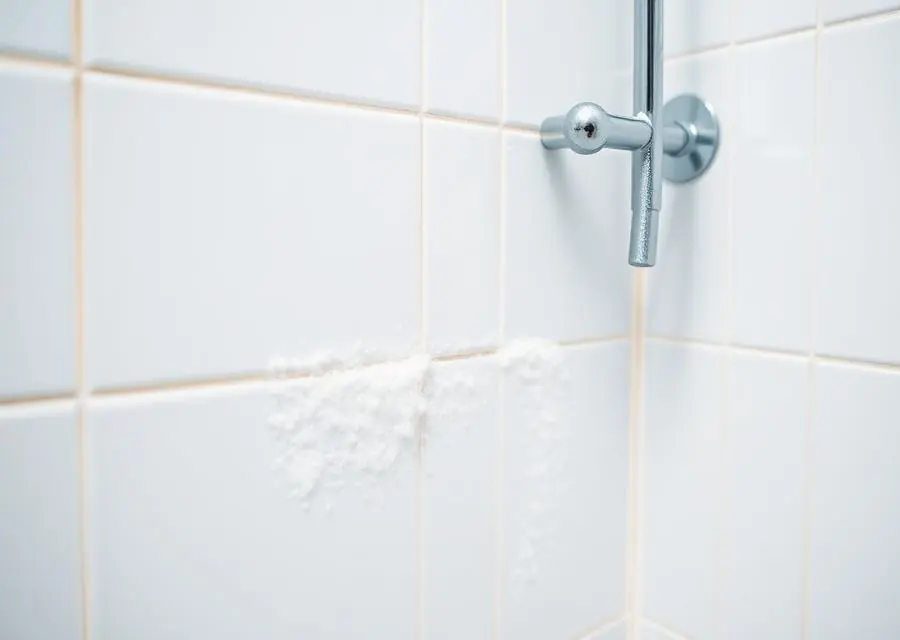
Bathrooms are inspected closely because they show neglect fastest. Hard water is aggressive throughout the Bay Area, so descaling glass, chrome and tile is usually necessary even in a well-kept unit.
- Tub, shower, tile and grout scrubbed and descaled
- Shower door glass and tracks cleared of mineral buildup
- Toilet cleaned inside, outside, behind and at the base bolts
- Vanity interior and drawers emptied and wiped
- Mirror, fixtures, towel bars and exhaust fan cover cleaned
- Floor mopped including behind the toilet and along edges
Living areas, bedrooms and the whole-unit details
With the unit empty, everything is visible, which is both the challenge and the opportunity. Full-coverage floor work matters: edges, corners, closet floors and under where furniture stood, where dust lines are obvious.
Walls need spot-cleaning for scuffs and marks, but be careful with flat paint, which can burnish if scrubbed. Remove all wall hardware, patch small holes if your lease requires it, and clean the residue rings that picture frames and mounted TVs leave behind.
- Baseboards, door frames, doors and switch plates wiped
- Window interiors, sills and tracks cleaned; blinds dusted
- Closet shelving, rods and floors cleaned
- Light fixtures, ceiling fans and vent covers cleaned
- Carpets vacuumed thoroughly; professional carpet cleaning if the lease requires it
- Hard floors mopped edge to edge
- Garage, patio and balcony swept; cobwebs removed
The eight items that cause the most deductions
Across thousands of move-outs, the same short list accounts for the majority of cleaning charges. Fixing these eight resolves most disputes before they begin.
- Oven interior left greasy
- Refrigerator not pulled out or not cleaned inside
- Cabinet and drawer interiors skipped
- Shower grout and glass scale untouched
- Window tracks and sills full of debris
- Items left in the garage, patio or storage
- Carpet stains or pet odor not professionally treated
- Light fixtures, vents and ceiling fans ignored
DIY or hire out: the honest math
A thorough move-out clean of a two-bedroom apartment takes one motivated person eight to twelve hours, plus supplies and equipment you may not own — a proper descaler, a grout brush, an extension pole, a good vacuum. Two professionals do the same job in three to five hours with better results because they do it every day and they know exactly what inspectors look for.
Professional move-out cleaning for a Bay Area two-bedroom typically runs $350 to $550. Against a deposit of $2,000 to $4,000 and the closing day of a move, the decision is usually straightforward — particularly since most landlords charge back their own vendor's rate plus an administrative markup.
Documentation: your real protection
Photograph everything after the clean, with timestamps: every room, inside the oven and fridge, inside cabinets, the floors, the bathrooms. Keep the receipt and scope of work from your cleaning company. If a deduction appears later, a dated photo set plus a professional invoice is close to unanswerable evidence.
If you want the job handled without managing it, we provide a written move-out scope, a photo report on completion, and a re-clean guarantee if your landlord flags anything within the scope. Send the unit details and we will quote within the hour.
Frequently asked
Quick answers
Can a landlord charge for professional carpet cleaning in California?
Only if the carpet needs cleaning beyond ordinary wear and tear, or if a valid lease clause requires it and the charge is reasonable. Routine flattening and normal use are not chargeable.
How much does move-out cleaning cost in San Jose?
Typically $350 to $550 for a two-bedroom apartment and $500 to $900 for a larger home, depending on condition, appliance interiors and whether carpet cleaning is included.
Should I clean before or after moving furniture out?
Always after. An empty unit lets the crew reach floors, closets and walls completely, which is exactly what inspectors check.